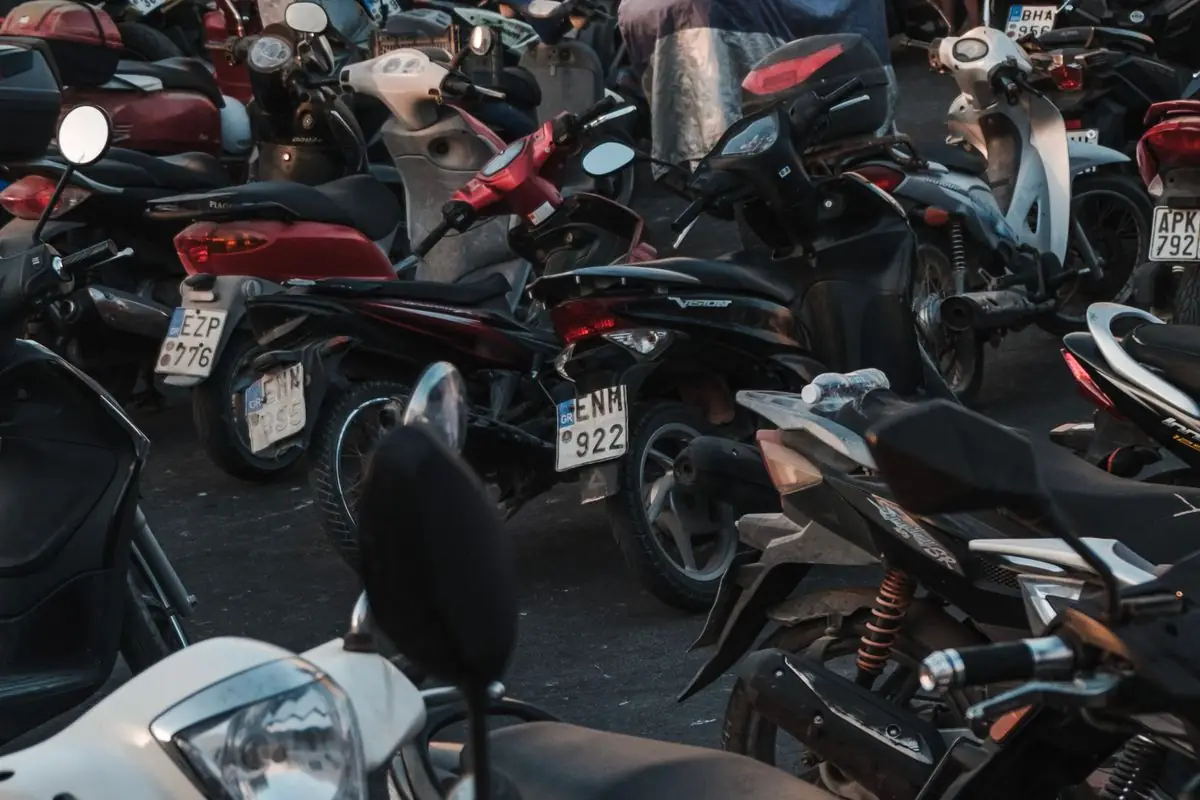
Every card tap at a gate is a record: who, which door, when. Every pass at a bike park has a plate and a photo of the rider. Cameras record people coming and going all day. All of it is personal data.
Since 1 January 2026, the 2025 Law on Personal Data Protection (Law No. 91/2025/QH15) is in force, and Decree 356/2025/ND-CP replaces Decree 13/2023/ND-CP. Documents, contracts and websites that still claim compliance with Decree 13 are citing a text that no longer applies.
This post summarises four provisions that touch gates, bike parks and cameras directly, and the software tools that help you carry them out. It is not legal advice; before applying it, check the original texts with a lawyer.
Faces and fingerprints are sensitive data
Biometric data is sensitive personal data. Article 31 requires the processor to physically secure the devices that store and transmit it, restrict access, monitor for breaches, and follow the relevant international standards.
For a factory, choosing face-based time and attendance means taking on a set of extra obligations. The question to ask first: does your problem need faces at all? At most workers’ gates, cards with anti-passback already solve card lending. MSTAR Access uses cards, dynamic QR codes, temporary codes and PINs; faces are not required.
Recording must be announced
Article 32(2): recording sound or images in public places must be announced so that the people recorded know. At factory gates, bike parks and lobbies, a recording-in-progress sign is not only a deterrent; it is an obligation. On the software side, there should be role-based rights to view video and a log of every view and every export.
Schools: children’s data
Article 24 says a child’s legal representative exercises the child’s rights; publishing private information about a child aged 7 or over needs the consent of both the child and the representative. For a school, the safest route is not to collect what is not needed. A students’ bike park works with cards, plates and photos of the bikes; a school gate works with cards. MSTAR does not use students’ faces.
Small businesses get a delay, unless they process sensitive data
Article 38(2) lets small businesses and start-ups choose not to carry out an impact assessment or appoint a data protection officer for 5 years. The exception is when they directly process sensitive personal data: a small business that clocks staff in by face does not get this relief.
Software cannot comply on your behalf
Compliance is the duty of the organisation processing the data: the factory, the school, the building management. Software can only have the tools for the organisation to do it. With MSTAR Access, those are:
- A retention period for each kind of data, deleted automatically when it ends
- Audit log and data log: who viewed, edited or exported what, and when
- Roles and rights: guards, reception and HR see only their own part of the work
- Approval of a visitor’s profile and photo before access is granted
- No biometrics required: cards, QR codes and PINs are enough
MSTAR Park’s vehicle photos are personal data too: decide how long they are kept from the start of the deployment. And when a vendor says its product complies with the law, ask exactly: which tool, doing what, under which text.